
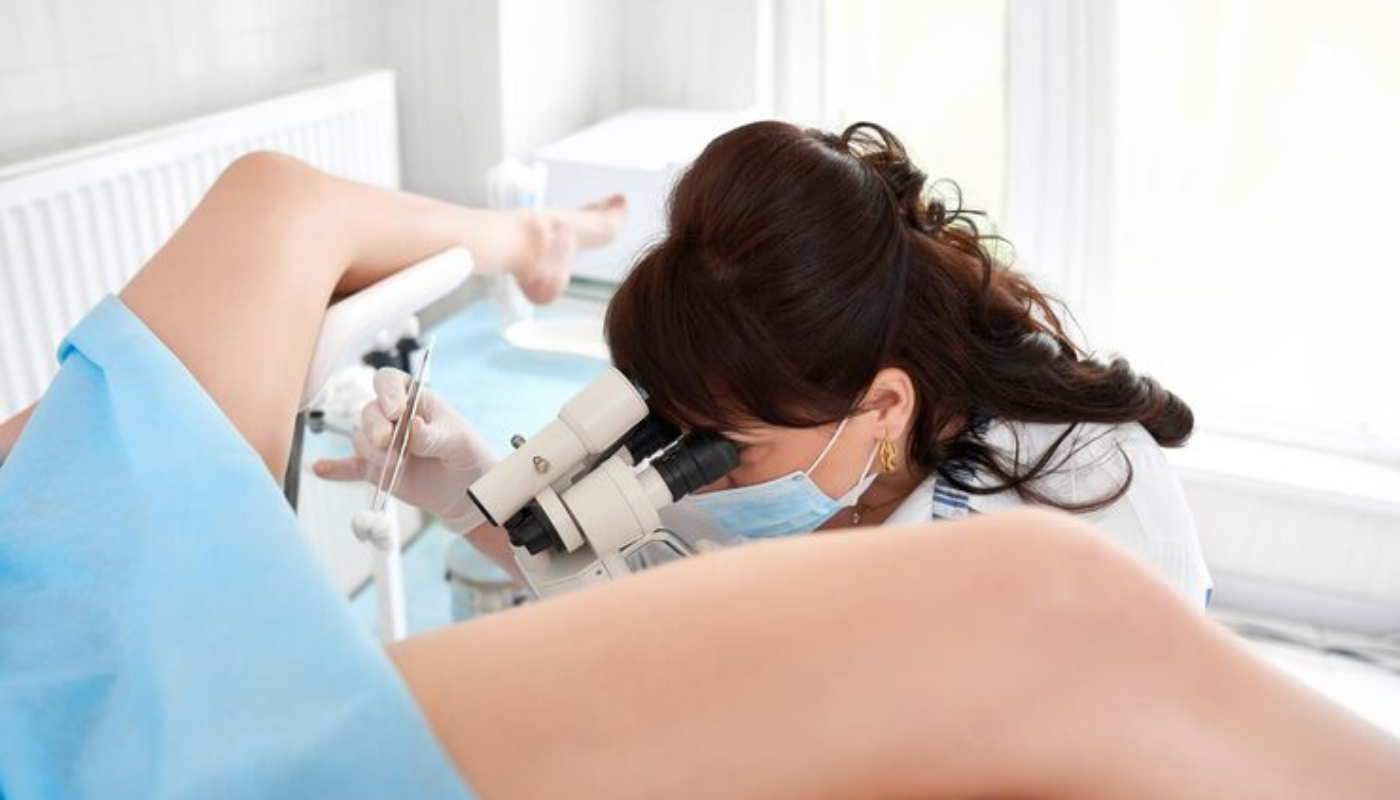
Laparoscopy-commonly referred to as diagnostic laparoscopy-is a modern, minimally invasive surgical technique used to examine the organs inside the abdomen and pelvis. Unlike traditional open surgery, which requires large incisions, laparoscopy involves only small cuts, making it a safer, less painful, and faster-recovery option for many patients.
At the center of this procedure is a specialized instrument called a laparoscope. This is a long, thin tube fitted with a high-intensity light and a high-resolution camera at its tip. The laparoscope is inserted through a small incision, usually near the navel. As it moves within the abdominal cavity, it transmits real-time images to a video monitor, allowing the surgeon to clearly view internal organs without needing to open up the body extensively.
In many cases, additional small incisions are made to insert surgical instruments. This allows doctors not only to diagnose conditions but also to perform minor surgical procedures during the same session. For example, tissue samples (biopsies) can be taken for laboratory analysis, cysts can be removed, or internal abnormalities can be treated immediately.
Why is Laparoscopy Performed?
Laparoscopy is typically recommended when non-invasive imaging tests do not provide sufficient clarity for a diagnosis. It offers a direct and detailed view of internal organs, helping doctors make more accurate assessments.
Common reasons for performing laparoscopy include:
- Investigating unexplained abdominal or pelvic pain
- Diagnosing conditions such as endometriosis, appendicitis, or tumors
- Evaluating infertility issues in women
- Detecting infections or internal bleeding
- Staging cancers and assessing the spread of disease
- Taking biopsies for further examination
Role of Imaging Tests Before Laparoscopy
Before opting for laparoscopy, doctors often rely on imaging techniques to gather preliminary information. These may include:
- Ultrasound: Uses high-frequency sound waves to create images of internal organs. It is commonly used as a first-line diagnostic tool due to its safety and accessibility.
- CT (Computed Tomography) Scan: Combines multiple X-ray images to produce detailed cross-sectional views of the body, helping identify structural abnormalities.
- MRI (Magnetic Resonance Imaging): Uses powerful magnets and radio waves to generate highly detailed images, especially useful for soft tissues.
When these methods fail to provide a clear diagnosis, laparoscopy becomes a valuable next step.
Advantages of Laparoscopic Surgery
Laparoscopy has become widely preferred due to several key benefits over traditional open surgery:
- Smaller incisions, leading to minimal scarring
- Reduced pain and discomfort after the procedure
- Shorter hospital stays (often same-day discharge)
- Faster recovery and return to normal activities
- Lower risk of infection and complications
- Greater precision due to enhanced visualization
Risks and Considerations
Although laparoscopy is generally considered safe, like any surgical procedure, it carries some risks. These may include:
- Bleeding or infection at the incision site
- Damage to internal organs or blood vessels
- Reactions to anesthesia
- Formation of blood clots
However, serious complications are rare when the procedure is performed by an experienced surgical team.
Recovery and Aftercare
Recovery from laparoscopic surgery is usually quick. Most patients can resume light activities within a few days and return to normal routines within one to two weeks, depending on the complexity of the procedure.
Some common post-procedure experiences include mild abdominal pain, bloating (due to gas used during the procedure), and slight fatigue. These symptoms typically resolve within a short period.
Doctors may provide specific aftercare instructions, including wound care, activity restrictions, and follow-up appointments to monitor healing and discuss biopsy results if applicable.
Conclusion
Laparoscopic surgery represents a significant advancement in medical science, offering a safer and more efficient alternative to traditional surgical methods. By combining diagnostic accuracy with minimal invasiveness, it plays a crucial role in modern healthcare—helping doctors diagnose, evaluate, and treat a wide range of conditions with greater precision and patient comfort.
Laparoscopy—commonly referred to as diagnostic laparoscopy—is a modern, minimally invasive surgical technique used to examine the organs inside the abdomen and pelvis. Unlike traditional open surgery, which requires large incisions, laparoscopy involves only small cuts, making it a safer, less painful, and faster-recovery option for many patients.
At the center of this procedure is a specialized instrument called a laparoscope. This is a long, thin tube fitted with a high-intensity light and a high-resolution camera at its tip. The laparoscope is inserted through a small incision, usually near the navel. As it moves within the abdominal cavity, it transmits real-time images to a video monitor, allowing the surgeon to clearly view internal organs without needing to open up the body extensively.
In many cases, additional small incisions are made to insert surgical instruments. This allows doctors not only to diagnose conditions but also to perform minor surgical procedures during the same session. For example, tissue samples (biopsies) can be taken for laboratory analysis, cysts can be removed, or internal abnormalities can be treated immediately.
Why is Laparoscopy Performed?
Laparoscopy is typically recommended when non-invasive imaging tests do not provide sufficient clarity for a diagnosis. It offers a direct and detailed view of internal organs, helping doctors make more accurate assessments.
Common reasons for performing laparoscopy include:
- Investigating unexplained abdominal or pelvic pain
- Diagnosing conditions such as endometriosis, appendicitis, or tumors
- Evaluating infertility issues in women
- Detecting infections or internal bleeding
- Staging cancers and assessing the spread of disease
- Taking biopsies for further examination
Role of Imaging Tests Before Laparoscopy
Before opting for laparoscopy, doctors often rely on imaging techniques to gather preliminary information. These may include:
- Ultrasound: Uses high-frequency sound waves to create images of internal organs. It is commonly used as a first-line diagnostic tool due to its safety and accessibility.
- CT (Computed Tomography) Scan: Combines multiple X-ray images to produce detailed cross-sectional views of the body, helping identify structural abnormalities.
- MRI (Magnetic Resonance Imaging): Uses powerful magnets and radio waves to generate highly detailed images, especially useful for soft tissues.
When these methods fail to provide a clear diagnosis, laparoscopy becomes a valuable next step.
Advantages of Laparoscopic Surgery
Laparoscopy has become widely preferred due to several key benefits over traditional open surgery:
- Smaller incisions, leading to minimal scarring
- Reduced pain and discomfort after the procedure
- Shorter hospital stays (often same-day discharge)
- Faster recovery and return to normal activities
- Lower risk of infection and complications
- Greater precision due to enhanced visualization
Risks and Considerations
Although laparoscopy is generally considered safe, like any surgical procedure, it carries some risks. These may include:
- Bleeding or infection at the incision site
- Damage to internal organs or blood vessels
- Reactions to anesthesia
- Formation of blood clots
However, serious complications are rare when the procedure is performed by an experienced surgical team.
Recovery and Aftercare
Recovery from laparoscopic surgery is usually quick. Most patients can resume light activities within a few days and return to normal routines within one to two weeks, depending on the complexity of the procedure.
Some common post-procedure experiences include mild abdominal pain, bloating (due to gas used during the procedure), and slight fatigue. These symptoms typically resolve within a short period.
Doctors may provide specific aftercare instructions, including wound care, activity restrictions, and follow-up appointments to monitor healing and discuss biopsy results if applicable.
Conclusion
Laparoscopic surgery represents a significant advancement in medical science, offering a safer and more efficient alternative to traditional surgical methods. By combining diagnostic accuracy with minimal invasiveness, it plays a crucial role in modern healthcare—helping doctors diagnose, evaluate, and treat a wide range of conditions with greater precision and patient comfort.

